
Soakaway Installation in Buckhaven, Fife
A correctly planned soakaway helps suitable properties manage surface water by allowing it to disperse gradually into the ground. LA Drainage Solutions installs soakaway solutions in Buckhaven and across Fife, with attention to ground conditions, available space and existing rainwater drainage.
Discuss Surface-Water Drainage
Planning a Soakaway for the Property
A soakaway is not suitable for every site, so planning begins with the property rather than a standard excavation size. The system must receive the intended surface water, sit in ground that can absorb it and remain appropriately positioned in relation to buildings, boundaries and other drainage features. LA Drainage Solutions discusses where water currently collects, which roof or paved areas contribute to the flow and how the existing pipework is arranged. Soil type, groundwater, slope and access can all affect the available options. Where conditions are unsuitable, installing a larger crate does not automatically solve the problem. We explain limitations before work is agreed and recommend another approach when necessary. You can learn more about our team and the experience behind our practical recommendations.
This assessment helps prevent a new soakaway from filling too quickly, causing water to reappear at the surface or transferring flooding to a different part of the property. To discuss whether the site may be suitable, get in touch and tell us how water behaves during rainfall. Existing underground drainage can first be checked with a CCTV drain survey, and any damaged connecting pipework can be addressed through our drain repair service.
Ground Conditions, Position and Access
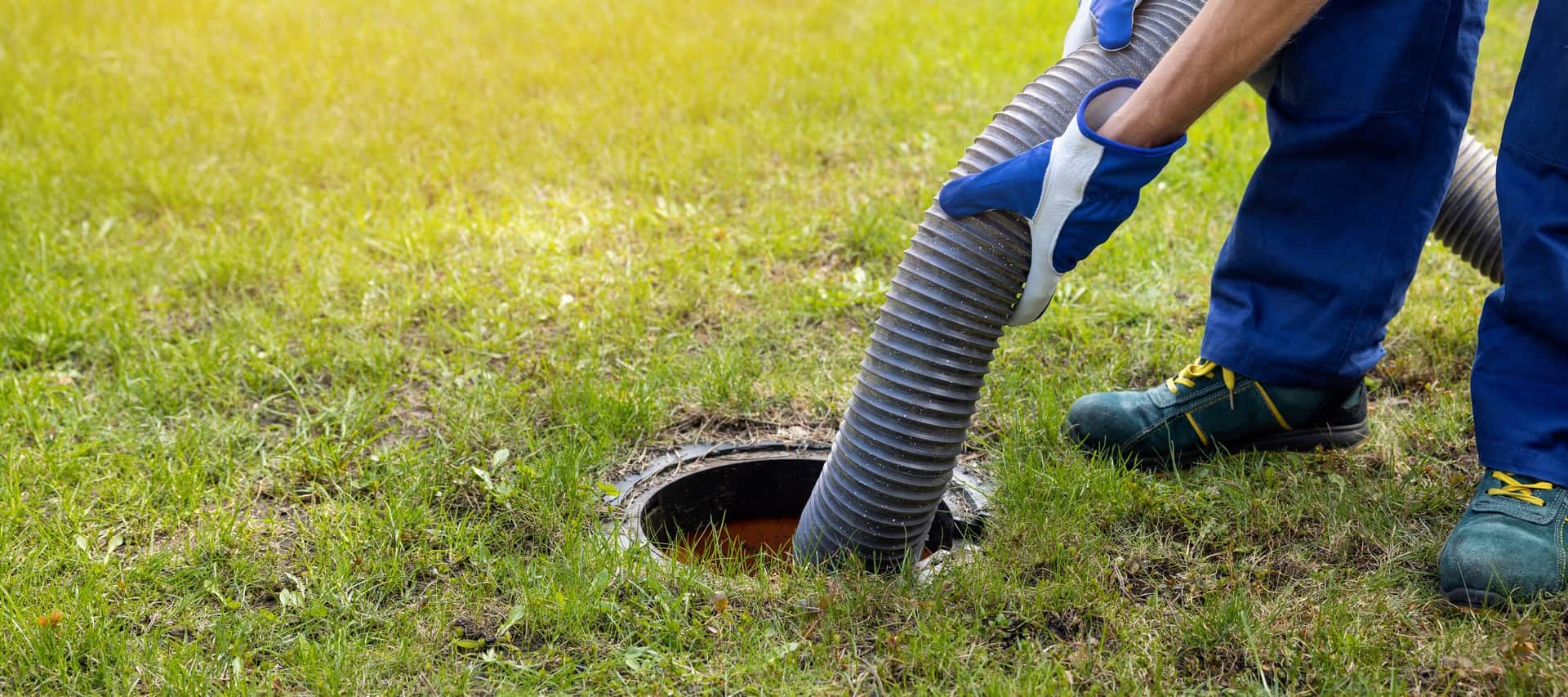
Ground conditions have a major influence on soakaway performance. Free-draining soil may accept water relatively quickly, while heavy clay can hold it close to the surface for much longer. Previous landscaping, made ground and compacted areas can also behave differently from the surrounding site. LA Drainage Solutions considers the available evidence, the route of incoming pipework and how the area responds after rain.
Access for excavation and safe movement of material must be planned at the same time. Existing utilities, tree roots, walls and foundations may limit the position or depth. Where further testing or design information is required, we make that clear rather than guessing. A well-chosen location supports reliable dispersal and easier connection to the rainwater system. Careful planning also helps control the disturbance to gardens, drives and other finished surfaces during installation.
How a Soakaway Is Installed
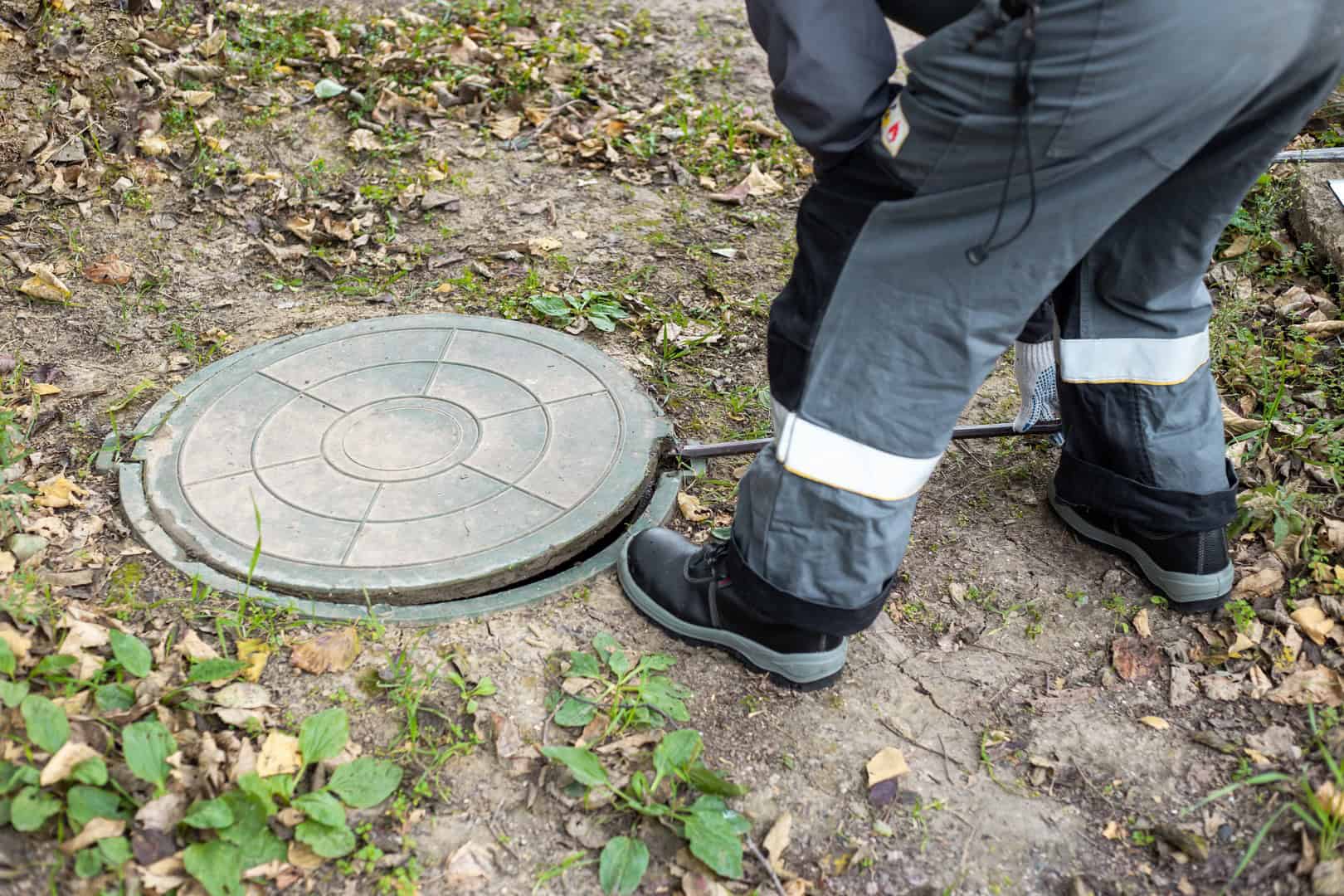
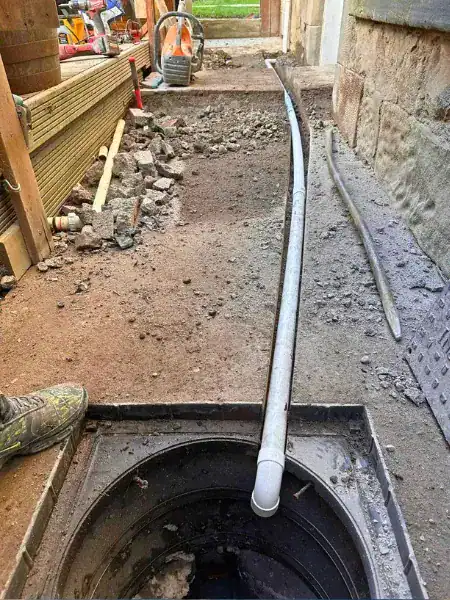
The installation process depends on the selected soakaway type, the volume of water to be managed and the conditions found during excavation. The working area is opened, the formation is prepared and the soakaway components are installed with suitable surrounding materials. Incoming drainage is connected with attention to fall and alignment so water can reach the system without ponding in the pipe. LA Drainage Solutions checks the arrangement before backfilling and reinstatement. Excavated soil, stone and surface materials are managed around the available access, and customers are told if unexpected ground conditions affect the planned scope. Proper support and separation materials help protect the installation while allowing water to disperse as intended. Reinstatement is completed in line with the agreed work, although exact matches to aged paving or established landscaping depend on the materials available.
Performance, Maintenance and Existing Systems
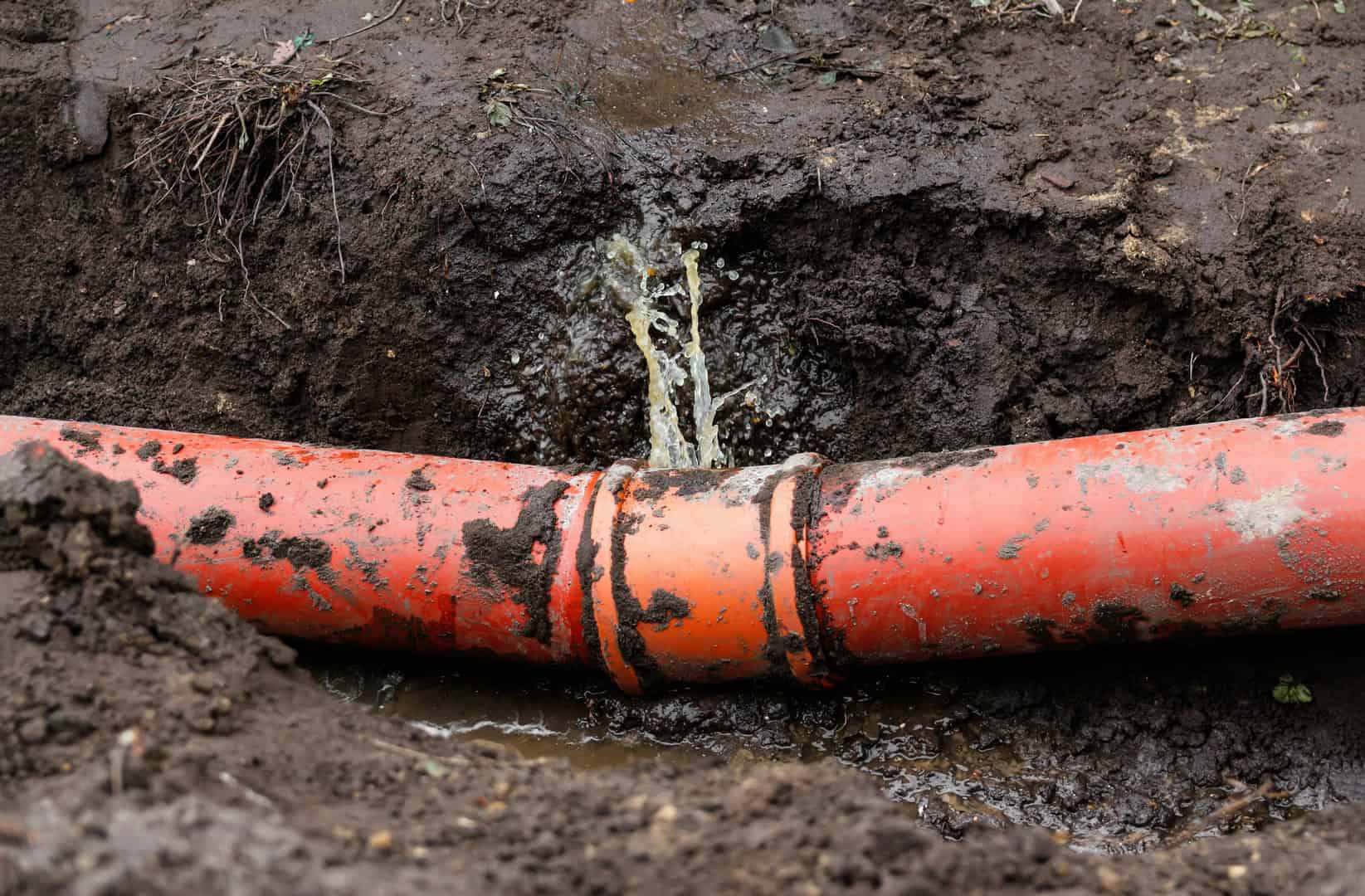
A soakaway should manage the surface water it was designed to receive without creating persistent saturation at ground level. Performance can be affected by silt, debris, damaged connections, compacted ground or unusually prolonged rainfall. Keeping gutters and channels clear reduces the amount of material entering the system. If water begins to back up, the incoming drainage and upstream outlets should be checked before assuming the soakaway itself has failed. LA Drainage Solutions can investigate the route, identify blockages and consider whether the original installation remains appropriate for the property.
Older soakaways may not reflect changes such as extensions, larger paved areas or redirected downpipes that have increased the water load. We explain whether cleaning, connection repairs or a replacement arrangement is the sensible response. Maintenance and realistic expectations help protect the system and reduce avoidable surface-water problems.
Soakaway Installation Across Buckhaven and Fife
LA Drainage Solutions provides soakaway installation and surface-water drainage support for customers in Buckhaven, Leven and across Fife. We can review existing rainwater routes, discuss recurring ponding and plan an installation where site conditions are suitable. The work is coordinated from excavation and connection through to testing and agreed reinstatement, giving customers one clear point of contact. We do not treat a soakaway as a universal answer to every wet garden or overflowing gully.
The water source, soil, access and nearby structures must all be considered before committing to work. If another drainage solution is more appropriate, we will explain the reason. Call 07947 324640 to discuss the property, the affected area and how the drainage behaves during rainfall. Photographs and simple site information can help us arrange the right first visit.
Frequently Asked Soakaway Questions
A soakaway receives surface water, usually from roofs or paved areas, and allows it to disperse gradually into suitable surrounding ground. It can reduce the amount of rainwater directed to other drainage, but it must be matched to the site. Soil permeability, available space, groundwater and separation from buildings all matter. A soakaway that is too small or placed in poorly draining soil may fill quickly and cause water to reappear at the surface. LA Drainage Solutions reviews the water source and site conditions before recommending installation. If the ground cannot manage the intended flow, we will explain why another drainage option should be considered.
Clay soil often drains slowly, so suitability cannot be assumed. Some sites may have variable layers or a more permeable area, while others remain saturated after rainfall and are unsuitable for ordinary soakaway use. The amount of water, proposed location, depth and nearby structures also affect the decision. LA Drainage Solutions considers how the site behaves and whether further testing or design information is needed. Increasing the size of the excavation does not automatically overcome poor permeability. Where a soakaway would be unreliable, we will not present it as a guaranteed solution. The objective is to manage surface water responsibly rather than move the same flooding problem underground for a short time.
Installation requires excavation for the soakaway and a trench for the incoming drainage connection, so the level of disruption depends on depth, access and the surfaces involved. Gardens, gravel, paving or drive areas may need to be opened. LA Drainage Solutions explains the likely working zone, where excavated material can be stored and how the area will be reinstated before work begins. Machinery access can reduce manual handling but may require a clear route. Unexpected ground conditions or buried services can affect the scope. We keep excavation as controlled as practical and test the connection before backfilling, avoiding the need to reopen the area because a basic issue was missed.
Overflow can be caused by silt or debris in the incoming pipe, a damaged connection, ground saturation, reduced permeability or more rainwater being directed to the system than it was designed to receive. Extensions, new paving and redirected downpipes can increase the load over time. Persistent rainfall may also temporarily overwhelm otherwise serviceable ground. LA Drainage Solutions checks upstream gullies and connections before deciding that the soakaway itself has failed. The right response may involve clearing, repairing pipework, improving the inlet or replacing an unsuitable arrangement. A proper assessment prevents unnecessary excavation and helps identify whether the original system still matches the property.