Drain Installation in Buckhaven, Fife
LA Drainage Solutions installs underground drainage for homes and businesses in Buckhaven and across Fife. We plan the route, prepare the excavation, lay and connect the pipework, test the system and complete the agreed reinstatement.
Discuss Your Drain Installation
Planning New Drainage for the Property
A reliable drain installation starts with the destination and working levels. Foul wastewater and surface water may need separate routes, and each system must connect to an appropriate sewer, treatment arrangement or approved discharge point. LA Drainage Solutions reviews the proposed fixtures or collection points, the available fall, existing drainage and access before excavation begins. The route must also account for buildings, boundaries, utilities, trees and finished surfaces. You can learn more about our team and the practical groundwork experience behind our installations.
New drainage for extensions, property alterations, outbuildings and replacement systems may require design information, permissions or agreement from the relevant authority or asset owner. These requirements should be confirmed for the individual project. Where an existing system will be reused, a CCTV drain survey can help assess its condition before a new connection is made. If damaged pipework is discovered rather than a completely new route being required, our drain repair service may provide the more focused solution. To discuss the proposed work, get in touch with any available plans and site details.
Drain Route, Pipe Falls and Access Points
Underground drains rely on a suitable gradient to carry wastewater while allowing solids to move through the pipe. A fall that is too shallow can encourage deposits, while an unnecessarily steep or poorly supported run can also create problems. LA Drainage Solutions checks the start and connection levels, route length and changes in direction before agreeing the installation. Pipe diameter and material are selected for the intended use, and connections are planned to avoid awkward junctions or inaccessible sections.
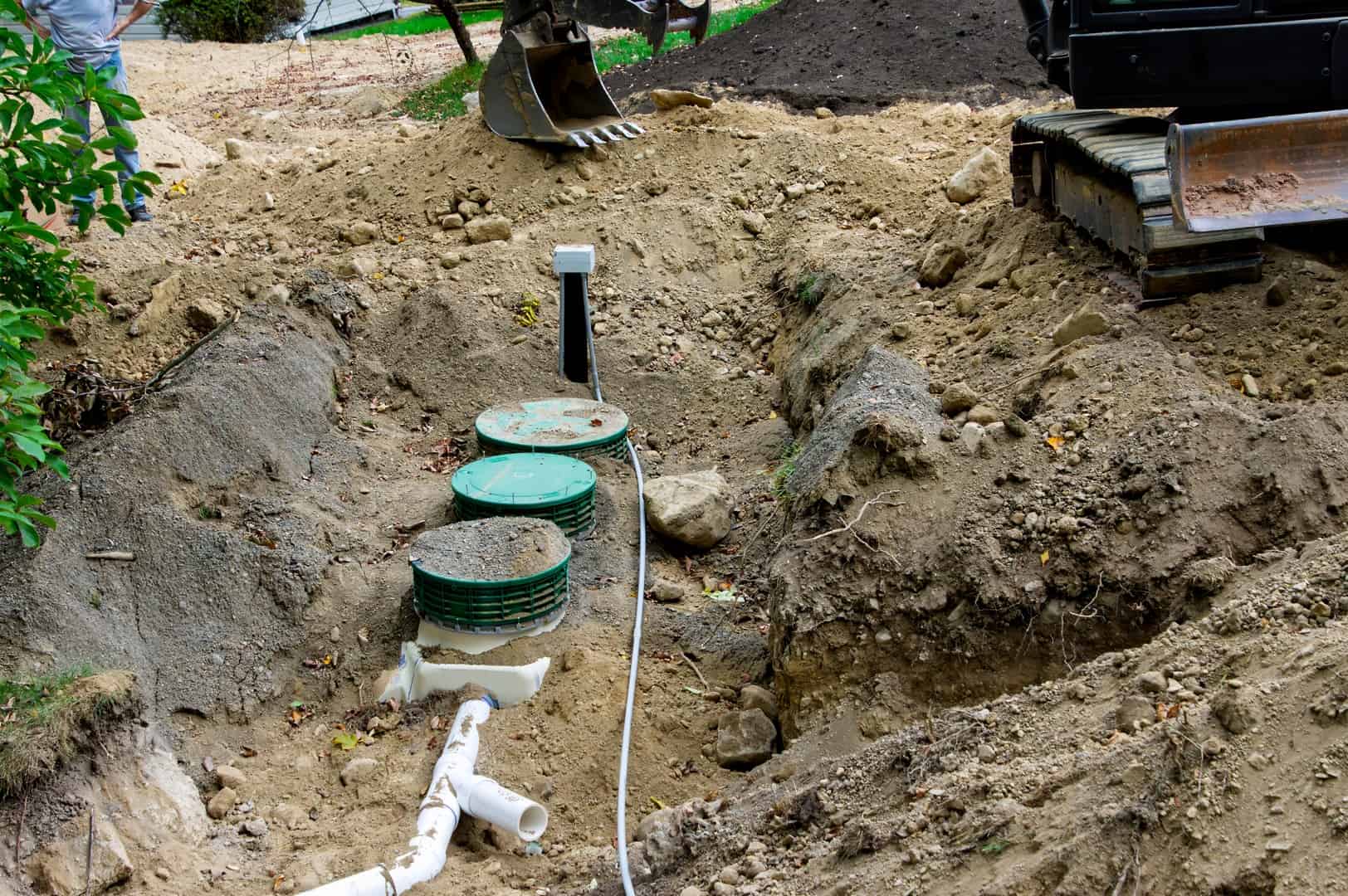
Inspection chambers or other access points are positioned so the system can be checked and cleared in future. Their location needs to remain practical after landscaping or building work is complete. Existing gas, electricity, water and communications services must also be considered before excavation. Where the available levels do not support a straightforward gravity connection, we explain the limitation and any further design or alternative arrangement that may be required.
How Underground Drains Are Installed
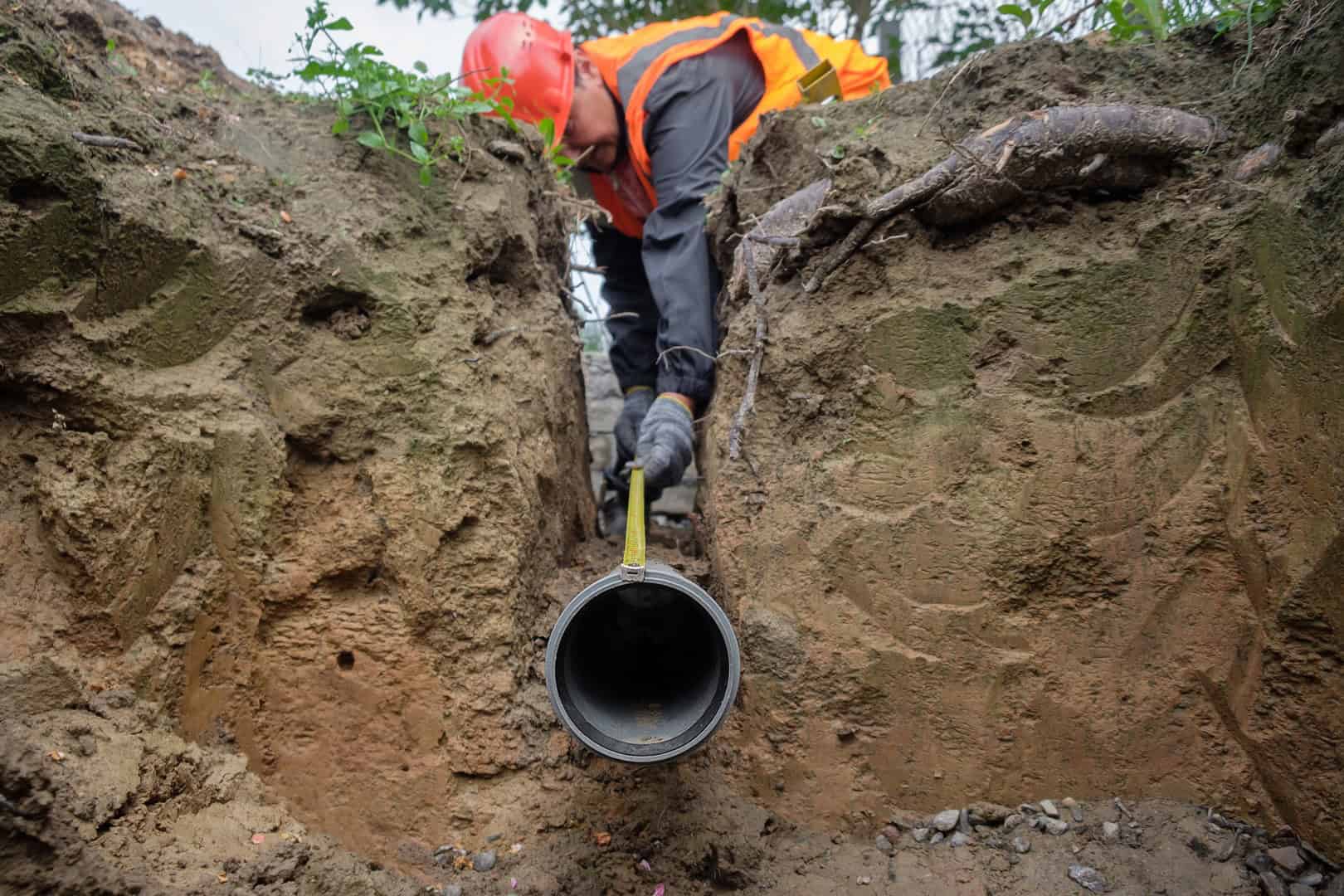
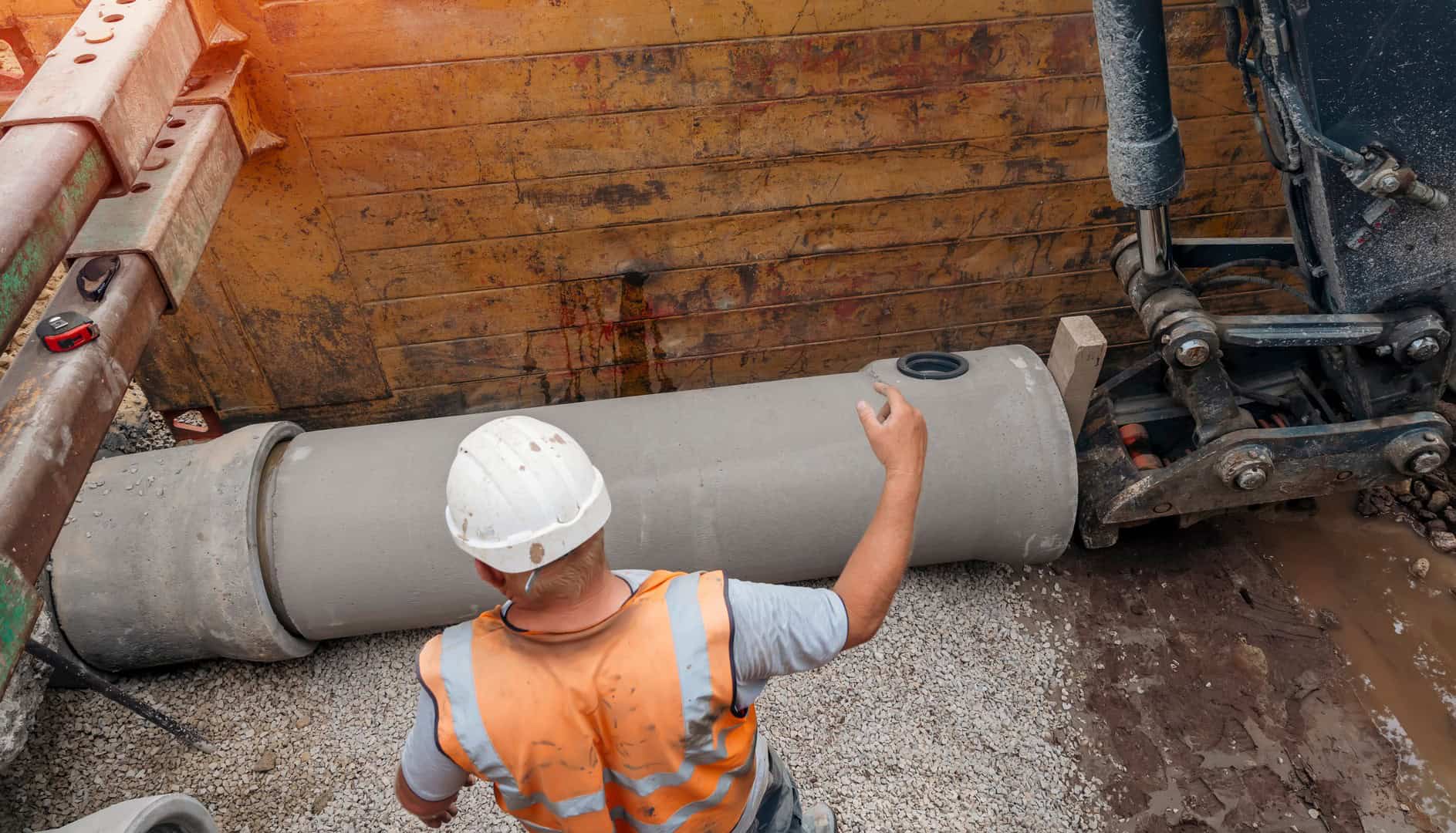
The route and levels are set out before the trench is opened. Excavation is completed to the required depth with care around known services, and the trench base is prepared to support the pipework evenly. Pipes are laid to the planned fall, joined securely and bedded with suitable material. Bends, branches and access chambers are incorporated where needed for the layout and future maintenance.
LA Drainage Solutions checks alignment, levels and connections as the installation progresses. The new run is tested before it is covered so defects can be corrected without reopening the completed surface. Protective surround and backfill are then placed in suitable layers, followed by the reinstatement included in the agreed scope. Groundwater, unstable soil, rock or previously unidentified services can affect the excavation, and any change to the proposed route or cost is discussed before additional work proceeds.
Connections, Testing and Future Maintenance
A new drain must connect to the correct system and remain accessible for inspection. Foul drainage should not be connected to a surface-water route, and rainwater should be directed only to an appropriate outlet or drainage arrangement. Before backfilling, the installed pipework is checked for alignment, joint condition and effective flow. LA Drainage Solutions also considers how the new run meets existing chambers, stacks, gullies or treatment systems so that the connection does not create a weak point.
After installation, suitable access helps deal with future blockages without unnecessary excavation. Covers should remain visible and usable, and heavy loading should be avoided where chambers or pipes were not designed for it. Keeping unsuitable items, fats and wipes out of foul drainage reduces avoidable restrictions. If the layout serves a private wastewater system, the tank, treatment unit or discharge arrangement will have its own maintenance needs. Clear information about the completed route helps owners manage later landscaping, extensions and repairs.
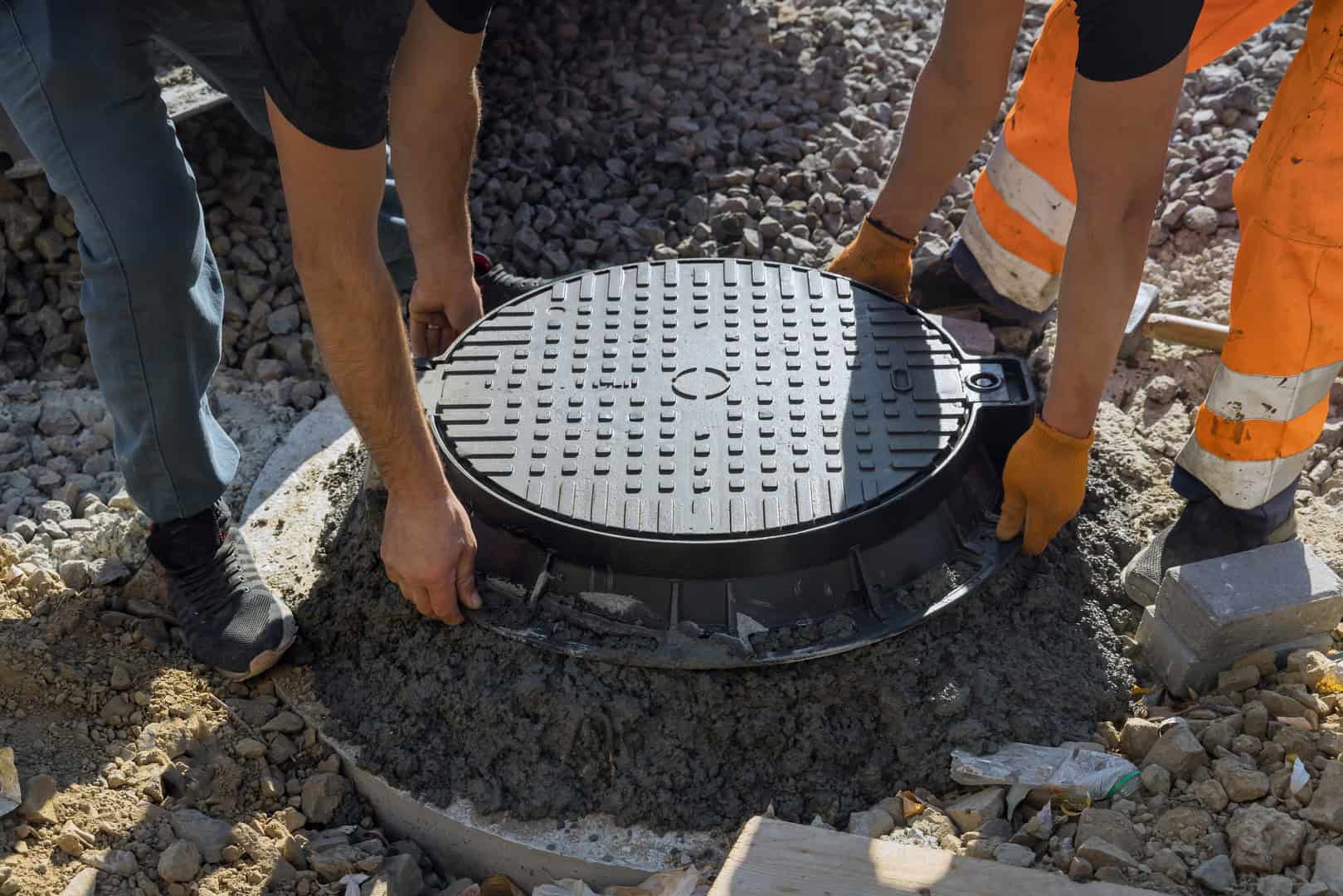
Drain Installation Across Buckhaven and Fife
LA Drainage Solutions installs foul and surface-water drainage for domestic and commercial properties in Buckhaven, Leven and across Fife. Our work includes new underground pipe runs, replacement drainage, inspection chambers, gullies and connections associated with renovations, extensions and external works. We coordinate the practical installation from excavation and bedding through to testing, backfilling and agreed reinstatement.
Every site is assessed around its levels, access, intended discharge point and existing services. Where approval, specialist design or confirmation of a connection is needed, this should be established before installation. Call 07947 324640 to discuss the property, the drainage required and any plans or survey information already available. These details help us arrange the right first visit and provide a clear quotation for the proposed work.

Frequently Asked Drain Installation Questions
LA Drainage Solutions installs underground pipework for foul wastewater and surface water, including new runs, replacement sections, gullies, inspection chambers and connections to an appropriate existing system. The exact scope depends on the property, the intended flow and the approved discharge point. Foul and surface water must be directed correctly rather than joined without checking the destination. We review the available levels, route and existing drainage before confirming the work. Where a project involves a public sewer, private treatment system or another controlled connection, the relevant permission or design responsibility should be established before installation begins.
The fall is determined from the start and connection levels, the pipe diameter, the type of flow and the length of the run. It must support effective movement through the pipe without leaving low points where wastewater or silt can collect. LA Drainage Solutions sets out and checks levels during installation rather than relying on the appearance of the trench. Changes in direction, branches and inspection access are planned at the same time. If the available depth does not provide a workable gravity route, the design may need to change or an alternative solution may be required. This is identified before the pipework is covered.
Installation requires excavation along the pipe route and around any chambers or connection points. The disruption depends on depth, length, access and whether the drain passes beneath lawns, paving, concrete or a driveway. LA Drainage Solutions explains the expected working area and the reinstatement included in the quotation before work starts. Machinery access can make excavation more efficient but needs a clear and safe route. Buried services, rock, groundwater or unstable ground can affect the programme. We test the pipework before backfilling to reduce the risk of reopening a finished surface because of an avoidable installation fault.
Permission depends on the project and where the drain will connect. Building work may require approval through the relevant building standards process, while a connection involving public infrastructure or land outside the property may need separate consent. Private wastewater and surface-water arrangements can also have environmental or design requirements. LA Drainage Solutions can discuss the practical installation, but the required approvals and connection rights should be confirmed for the individual site before work begins. Providing plans, building-warrant information and details of the proposed discharge point at the quotation stage helps prevent delays or changes after excavation has started.