
Septic Tank Installation in Buckhaven, Fife
LA Drainage Solutions installs septic tanks for suitable properties in Buckhaven and across Fife. We plan the tank, connecting drainage and discharge arrangement around the site, expected use and applicable requirements.
Discuss Your Septic Tank Installation
Planning a Septic Tank System for Your Property
A septic tank forms part of a private wastewater system for a property that cannot reasonably connect to the public sewer. Choosing a tank is only one part of the work. The installation also needs correctly laid inlet pipework, safe access for future emptying and an appropriate discharge arrangement. LA Drainage Solutions reviews the proposed location, household demand, ground conditions and access before recommending a system. The tank must be positioned so it can be installed safely and maintained without unnecessary disruption. We also consider nearby buildings, boundaries, services, watercourses and groundwater. You can learn more about our team and the practical drainage experience behind our recommendations.
Private wastewater systems in Scotland may require environmental registration and building standards approval, depending on the project and discharge. These matters should be confirmed before installation rather than left until excavation has started. To discuss a new or replacement system, get in touch with details of the property and its current drainage. Existing underground pipework can first be checked with a CCTV drain survey, while damaged connections can be addressed through our drain repair service.
Tank Position, Capacity and Discharge Arrangements
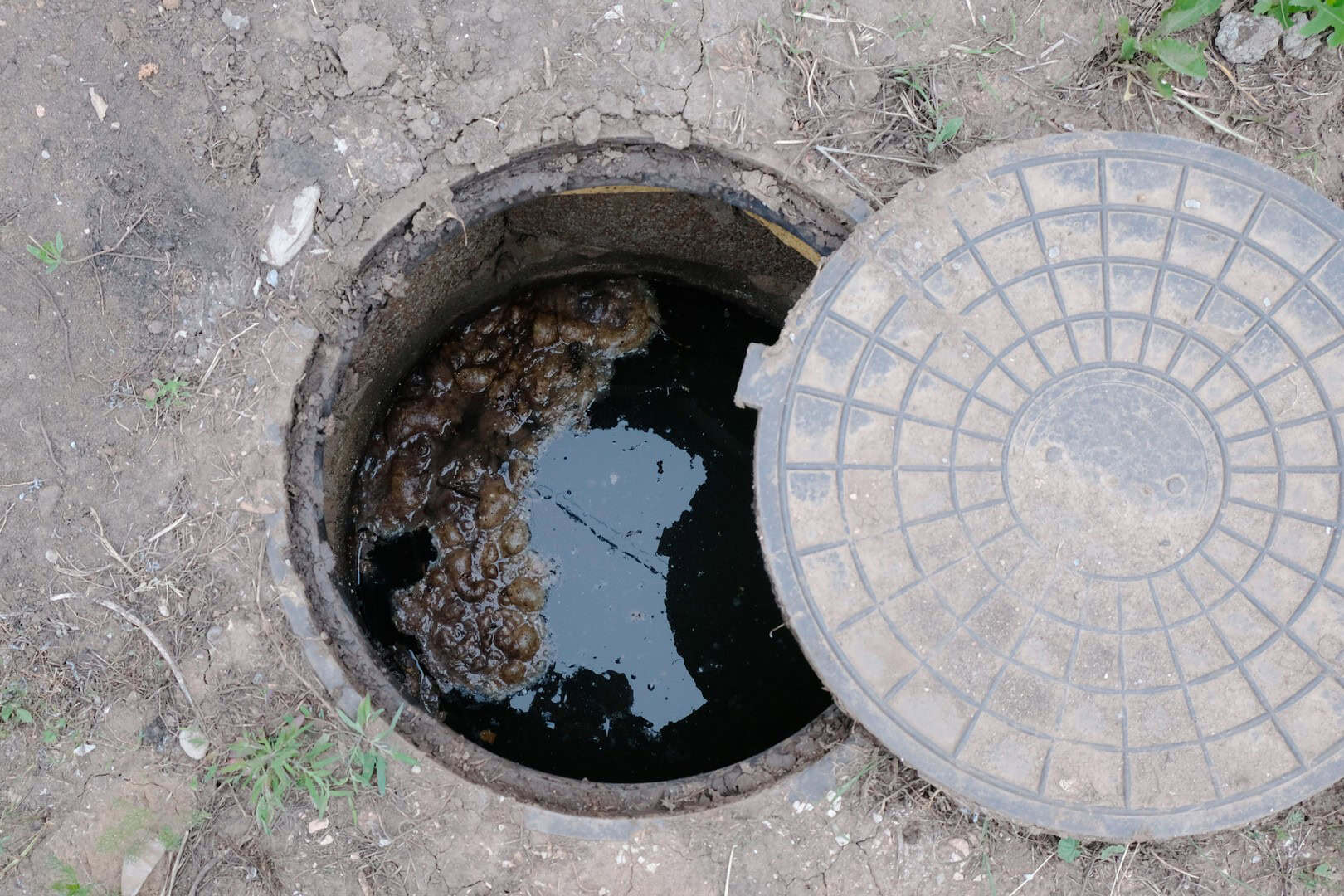
A reliable septic system depends on the relationship between the tank, the property and the discharge route. Capacity must reflect the wastewater load, while the selected tank must suit the available excavation depth and manufacturer installation requirements. The inlet needs an effective fall from the building, and the outlet must lead to an appropriate treatment or infiltration arrangement. LA Drainage Solutions reviews these elements together rather than treating the tank as an isolated product.
Access is equally important. Excavation machinery needs a safe route, and a registered waste carrier must be able to reach the tank for future emptying. Existing utilities, foundations, trees, boundaries, groundwater and watercourses can limit the available position. Where ground testing, specialist design or approval is needed, this should be established before work begins. Careful planning reduces avoidable changes during excavation and supports safe operation and maintenance after installation.
How a Septic Tank Is Installed
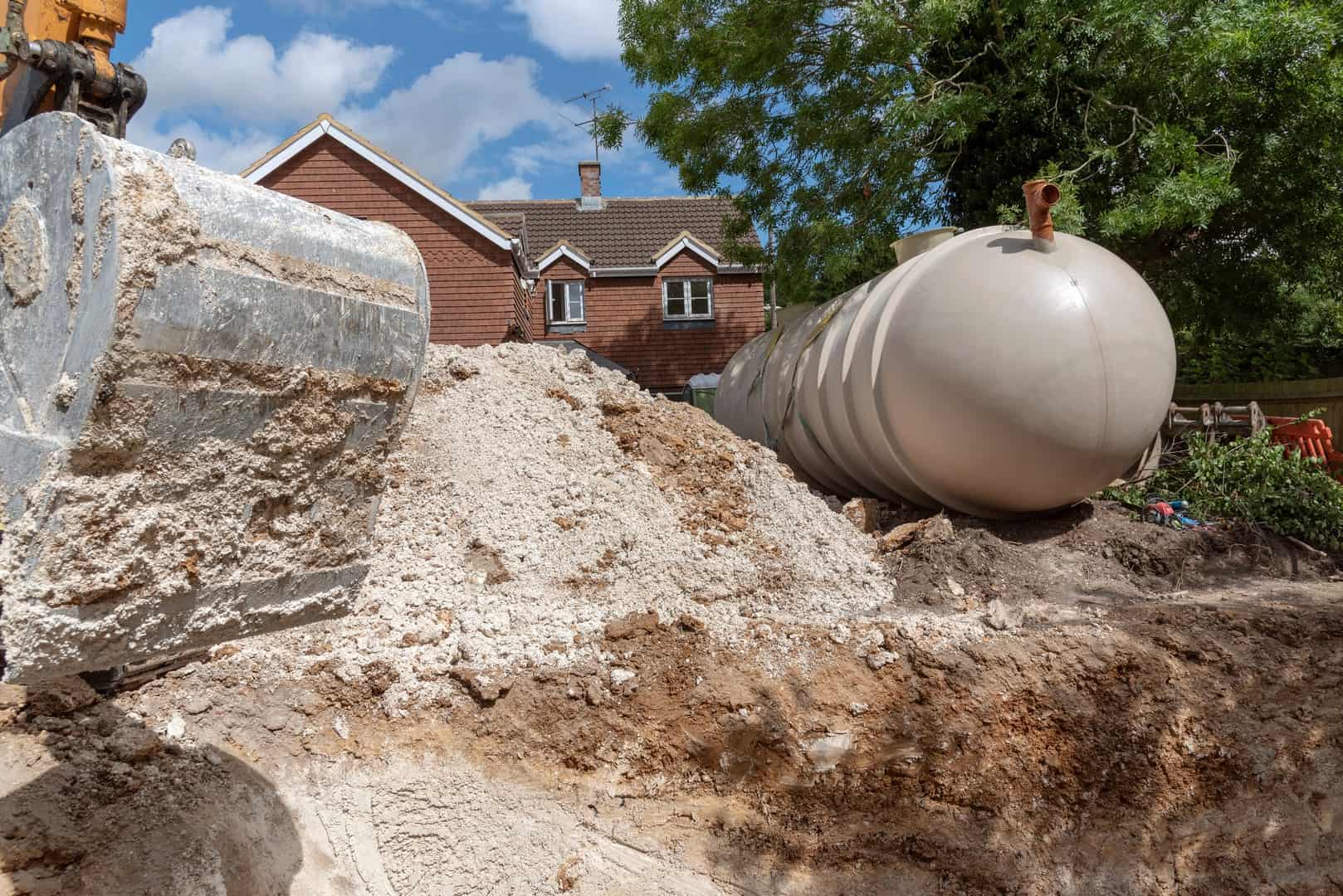
Installation begins by confirming the working area, drainage route and agreed tank position. The excavation is prepared to suit the selected tank and the ground conditions, following the relevant manufacturer instructions for the base, surround and backfill. Inlet and outlet pipework is laid with suitable falls and access points so wastewater can move through the system and the drainage can be inspected in future.
LA Drainage Solutions checks levels and connections as the work progresses, then completes backfilling and the agreed surface reinstatement. The discharge arrangement is installed or connected as specified for the project. Before handover, the system is checked and the customer is shown the tank access, maintenance requirements and any operating information. Unexpected services, rock or groundwater can affect the scope, but these conditions are explained if they arise rather than being concealed beneath the finished surface.
Emptying, Maintenance and Warning Signs
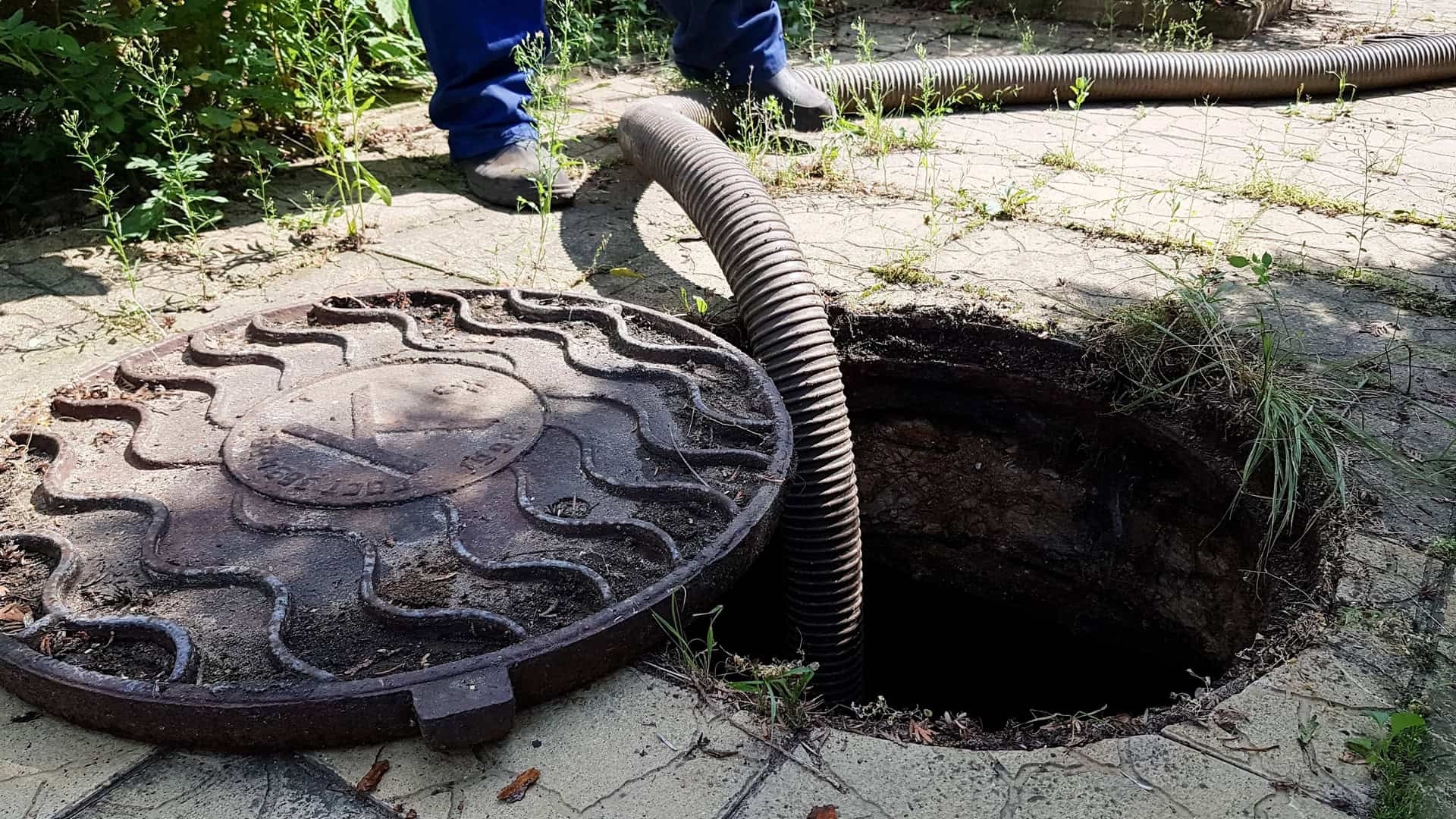
Routine care protects the tank and the drainage connected to it. Sludge must be removed by a registered waste carrier before it occupies too much of the tank, and the access cover, vents, inlet and outlet should remain in serviceable condition. The emptying interval varies with tank capacity, occupancy and use. Keeping wipes, sanitary products, fats, oils and unsuitable chemicals out of the system reduces avoidable blockages and helps the treatment process work properly.
Slow drains, sewage odours, gurgling pipework, overflowing inspection chambers or persistently wet ground near the discharge area can indicate a problem. These symptoms may come from a blocked or damaged drain, an overdue emptying, a faulty outlet or a discharge system that is no longer performing correctly. LA Drainage Solutions can investigate the connecting drainage and explain the practical repair options. Early attention can limit damage and reduce the chance of untreated wastewater reaching the surrounding ground.
Septic Tank Installation Across Buckhaven and Fife
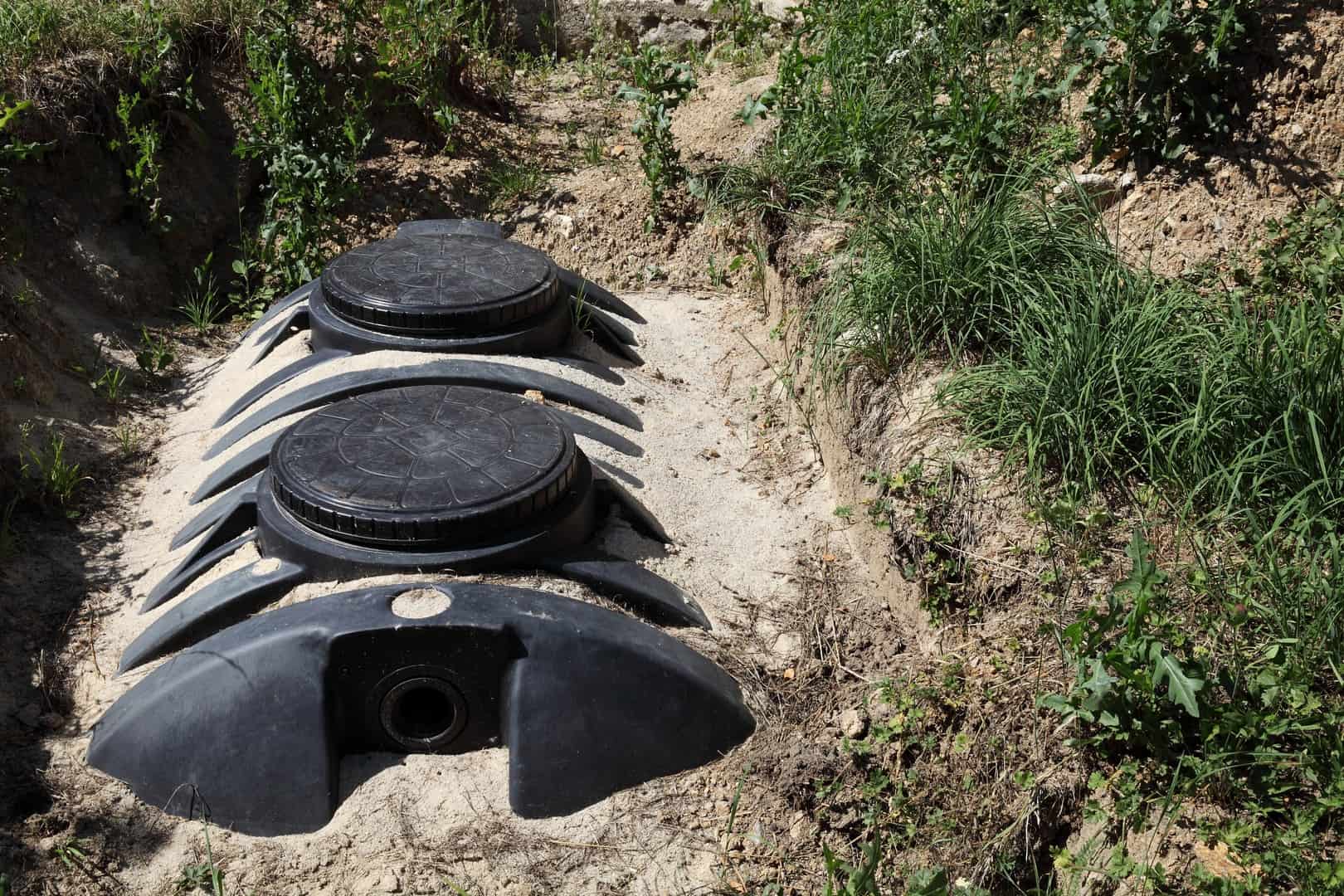
LA Drainage Solutions provides septic tank installation for suitable domestic and commercial properties in Buckhaven, Leven and across Fife. We coordinate the drainage work from excavation and tank placement through to pipe connections, testing and agreed reinstatement. New installations and replacement tanks are planned around the property, the expected wastewater load and the proposed discharge arrangement, giving customers one clear point of contact for the practical work.
Every site is different, so we first consider access, ground conditions, existing drainage and the approvals or design information the project may require. We will explain the proposed scope and any limitations before work begins. Call 07947 324640 to discuss septic tank installation in Buckhaven or elsewhere in Fife. Details of the property, current system and access can help us arrange the right first visit and provide a clear quotation.
Frequently Asked Septic Tank Questions
A septic tank may be suitable where connection to the public sewer is not reasonably practicable. The complete system needs enough space for the tank, safe access for emptying and an appropriate route for treated effluent. Ground conditions, groundwater, nearby buildings, watercourses and the intended number of users can all affect the design. LA Drainage Solutions assesses the property before recommending an installation and explains when a septic tank, treatment plant or another drainage option should be considered. Any required environmental registration, building standards approval or specialist design work should be identified before installation begins.
Tank capacity is selected around the number of people the system will serve, the type of property and the expected wastewater flow. Future use also matters, particularly where a home may be extended or an additional bedroom is planned. The tank is only one part of the arrangement: connecting drains and the discharge system must also be suitable for the proposed load. LA Drainage Solutions reviews the available information and the manufacturer requirements before work is agreed. An undersized tank can require more frequent emptying and may allow solids to pass into the outlet, while an unsuitable discharge arrangement can cause pollution or recurring drainage problems.
A septic tank installation requires excavation for the tank and trenches for the inlet, outlet and any associated drainage, so some disturbance is unavoidable. The extent depends on the tank size, installation depth, ground conditions, access and the surfaces that must be opened. LA Drainage Solutions explains the likely working area, machinery route and reinstatement included in the quotation before work starts. Existing services, rock, groundwater or unstable ground can affect the programme once excavation begins. We keep the work controlled, protect open excavations and check pipe falls and connections before backfilling so the completed system can operate as intended.
A septic tank needs routine inspection and emptying by a registered waste carrier before accumulated sludge reduces its working capacity. The right frequency depends on the tank, occupancy and usage, so it should be based on the system rather than a fixed assumption. Only normal domestic wastewater and suitable toilet tissue should enter the tank; oils, wipes, sanitary products and harsh chemicals can cause blockages or disrupt treatment. Access covers and vents should remain clear and secure. If drains become slow, odours appear or wet ground develops near the outlet, the system should be checked promptly. LA Drainage Solutions can inspect connecting pipework and advise on appropriate repairs.